

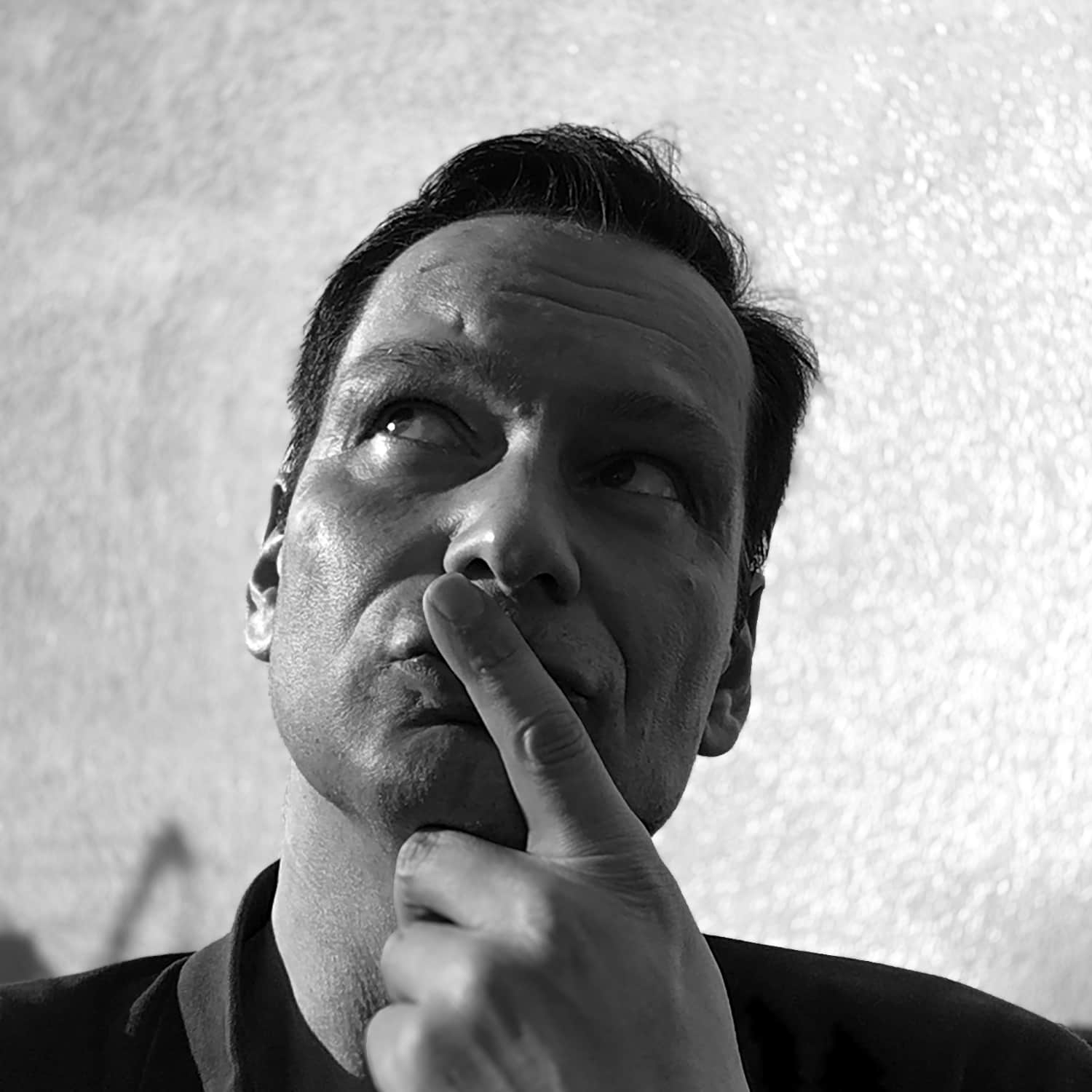
Artist Background – Havour
Havour’s journey as an artist is a testament to growth, resilience, and the unrelenting pursuit of authenticity. From experimenting with borrowed gear and chaotic loops to mastering the art of arrangement and finding his unique voice,
Havour’s story is one of evolution—both personal and artistic. In this candid interview, he reflects on the lessons learned from his early projects, the surprising shifts in his creative process, and the importance of embracing both struggles and successes.
Let’s dive into the mind of an artist who has navigated decades of change while staying true to the heart of his craft.
1. Reflecting on your first projects, what’s something you would approach differently now?
When I think back to my very first projects, I almost have to laugh.
They were basically endless tape recordings — loops that just kept going — created with an AKAI MPC and a synthesizer I had borrowed from a friend. At that time, I had absolutely no clue about arrangement or structure. I was just fascinated by the machines, layering sounds and beats without worrying about whether the track had a beginning, middle, or end. They weren’t unmusical — the energy and curiosity were there — but it was raw, chaotic, and very far from polished.
Today, things look different. I’ve learned to navigate a DAW with confidence and finally started to understand the essentials of music theory. That doesn’t mean I’ve lost the experimental spark — I still chase the feeling of discovery that drove me back then — but I can channel it much more effectively. Now I know how to take an idea, shape it into an arrangement, and bring out its emotional core instead of drowning it in endless repetition.
If I could approach those early projects differently, I’d say I wish I had taken more time to learn about structure and arrangement earlier on. But at the same time, that naïve approach had its own charm. It taught me that music is first about expression, and the skills to refine that expression will come if you keep at it. In a way, the “mistakes” of my early projects are still the roots of the sound I create today.
2. How has your sound changed as you’ve grown personally and artistically?
In the beginning, my sound was shaped a lot by necessity.
I was working with a real synth and a hardware sampler, and that naturally gave everything a certain rawness and originality. Each machine had its quirks, and I had to work within those limitations. That early setup forced me to be creative in very specific ways, and in hindsight, it gave my music a unique fingerprint that’s hard to replicate today.
Now things are different. Software has opened up an almost infinite playground, but at the same time, it’s created a certain sameness — many producers using the same plugins, the same presets, even the same workflows. Standing out in that landscape is a lot tougher than when you had only one machine and had to squeeze every drop of personality out of it.
What helps me today is experience. Having listened to and played nearly every form of electronic music over four decades, I can draw from a deep pool of influences. I think that long history helps me shape sounds and rhythms in ways that feel personal and distinctive, even in a world where everyone has access to the same tools. In the end, it’s less about the gear and more about the ears and heart behind it.
3. What’s the most surprising lesson you’ve learned in your career?
One of the biggest surprises in my career has been realizing that computers aren’t the enemy of music. For a long time, I resisted them. I came from a background where hardware was everything — samplers, drum machines, synthesizers. The tactile feel of knobs and faders felt “real,” while a computer screen felt cold and disconnected.
I honestly believed that working inside a computer would somehow cheapen the music or strip it of its soul. But over time, I had to face the truth: what is a hardware sampler, really, if not just a computer in a box? Once I let go of that mental block, I discovered how powerful and liberating it can be to work in a DAW. It doesn’t replace creativity — it just expands the possibilities.
The lesson for me was that the soul of music doesn’t come from the machine, whether it’s made of metal or silicon. It comes from the human using it. Once I embraced that, I stopped worrying about whether my tools were “authentic” and started focusing on what really matters: how the music feels.
4. Why is it important for artists to share their struggles as openly as their successes?
I believe it’s just as important — maybe even more important — to share your struggles as it is to share your successes. When you only show the highlights, people get a distorted picture of what an artistic life really looks like. They see the end result but not the hundreds of failed attempts behind it. And the truth is, you often learn a lot more from your faults than from your wins.
Success feels good, but mistakes are what actually push you to grow.
By talking openly about those struggles, you give others a chance to benefit from your hard lessons without having to make all the same missteps themselves. It’s a way of passing on something valuable, not just celebrating yourself. And it also reminds people that you’re human — not some flawless machine that just spits out perfect tracks.
In the end, music is about connection. If I can share the ups and the downs, people don’t just connect with my sound; they connect with my story. And that’s something far more lasting.
5. If you could advise your younger self at the start of your journey, what would it be?
If I could speak to my younger self, I’d probably say: stay true to yourself and don’t get too caught up in what you think other people expect from you.
That pressure is always there, especially when you start out as a DJ. Reading the crowd, trying to please them, adjusting to their reactions — it’s part of the craft. But it can also sneak into your identity as an artist if you’re not careful.
Back then, I sometimes measured myself too much against the outside world: what other DJs were playing, what trends were hot, what people might want to hear from me. Over the years, I’ve learned that the most powerful music comes when you trust your own instincts and express what you genuinely feel. Audiences can sense when something is honest, and they connect to that far more deeply than to someone just ticking boxes.
So my advice would be: don’t lose sight of your own voice. Take inspiration from the crowd, but don’t let it define you. In the long run, the only way to build something lasting is to create from a place that’s true.
Artist Background - Max Porcelli
Artist Interview – Max Porcelli Max Porcelli, the mastermind behind 989 Records, is a name synonymous with innovation and passion in the electronic music scene. As the head honcho of the label, Max has not only carved out a unique space for himself as a DJ and producer but has [...]Powered by 989WEB. Copyright © 989Records. VAT IT01593870932
Privacy and Cookie Policy
| Play | Cover | Release Label |
Track Title Track Authors |
Page | Buy | Delete |
|---|