

By Max Porcelli — DJ, producer, and founder of 989 Records.
TL;DR — If you only read three things from this guide:
- “House” and “EDM” aren’t rival genres. House is a specific sound born in Chicago in 1977; EDM is a marketing umbrella the US industry built in the 2010s to cover house, techno, trance, electro and more under one banner.
- The clearest practical differences are tempo and structure: house sits around 118–128 BPM and loops in a continuous groove for DJs to mix; mainstage “EDM” (big room, electro house) runs 126–132 BPM and is built around a build-up-and-drop.
- Getting this right matters for more than trivia: the wrong genre tag on a release confuses algorithms, playlists and the DJs who might book you.
House vs EDM at a Glance
| House | Mainstage EDM | |
|---|---|---|
| Definition | A specific genre born on one club’s dance floor | The narrower, colloquial meaning of “EDM”: the festival mainstage sound |
| Origin | Chicago, the Warehouse, 1977 (Frankie Knuckles) | Term coined in 1980; revived as a US industry marketing umbrella in the 2010s |
| Typical BPM | 118–128 BPM (median around 125) | 126–132 BPM |
| Structure | Continuous groove, long intros/outros built for DJ mixing | Build-up → break → drop |
| Where you hear it | Clubs, Boiler Room streams, continuous DJ sets | Festivals like Ultra and EDC |
| Representative subgenres | Deep house, tech house, progressive house, afro house | Big room house, electro house, future bass |
Intro
Ask ten people to define “EDM” and you’ll get ten different answers. Some mean any electronic music you can dance to. Others picture Ultra Music Festival, a wall of LED screens and a supersaw drop hitting on cue. Ask where “house music” fits into that picture and the confusion usually gets worse, not better.
This guide sorts out where each term actually comes from, what separates them musically, and why the distinction is more than semantics if you produce, DJ, or just want to find more of the sound you already love.
About the Author
Hey, I’m Max Porcelli — DJ, producer, remixer, label founder, and Steinberg Certified Trainer with over 30 years of hands-on experience in electronic music. I started in 1989, and I founded 989 Records, an independent house label, in 2007. I’ve released more than 150 releases, remixed artists including Jocelyn Brown and Inaya Day, and taught music production and DJing through the 989 Academy, on Udemy, on SkillShare, and through the International DJing Ibiza project in 2018. House has been the center of my catalog from day one, which is exactly why I get asked “wait, isn’t that just EDM?” more often than I’d like.
My interview on identity, craft and 989 Records’ catalog was covered by Magnetic Magazine.
Where “House” Actually Comes From
House music has a specific birthplace: Chicago, at a club called the Warehouse, which opened in 1977. Frankie Knuckles was the resident DJ, and as disco fell out of mainstream favor in the late ’70s, he started re-editing disco records, extending breaks and layering in drum machine beats to keep the Warehouse’s mostly Black, mostly gay crowd on the floor. Knuckles later called what he was doing “disco’s revenge.” Regulars started asking for records “like the ones they play at the Warehouse” — shortened, eventually, to “house” records. That’s the whole etymology: the genre is named after a single nightclub.
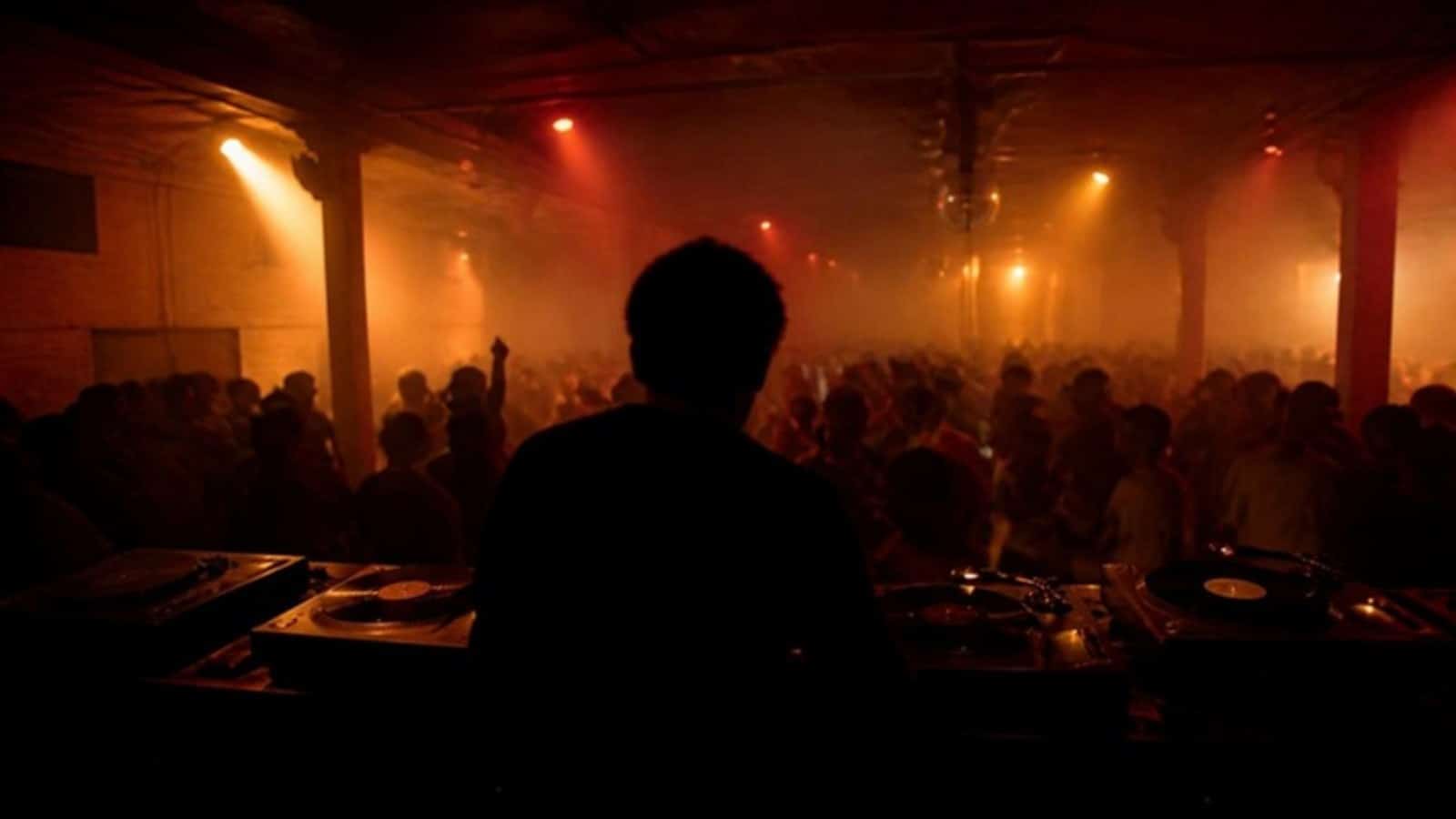
By the mid-1980s Chicago producers like Jesse Saunders and Larry Heard were pressing original house records rather than just remixing disco, and by 1988 the sound had crossed the Atlantic to become Europe’s dominant club genre, spawning acid house and the UK’s second Summer of Love. House was never a marketing category. It grew out of one room, one DJ, and one crowd’s taste.
Where “EDM” Actually Comes From
“EDM” is older than most people assume, and its origin has nothing to do with festivals. The acronym first appeared in print in 1980, on the sleeve of a single by the British band Landscape, whose drummer Richard James Burgess used it as plain shorthand: “we knew it was electronic, we knew it was dance.” For decades it stayed a niche term.
What changed was a 2010s rebrand. As American rave culture went mainstream, the US music industry and press needed an umbrella word that covered house, techno, trance, electro and drum & bass without leaning on any single genre — and without the baggage the word “rave” carried from the 1990s. Tiësto’s performance at the 2004 Athens Olympics opening ceremony put dance music in front of a global TV audience; crossover pop-EDM hits from David Guetta and others between 2009 and 2011 cemented the term in the US mainstream; Billboard launched a dedicated Dance/Electronic Songs chart in 2013. In my reading of that history, “EDM” ended up functioning less like a production style with fixed rules and more like a business category built to sell tickets and airtime.
So Is House Music “EDM” or Not?
Technically, yes. Under the broad, original definition, EDM is simply the umbrella that covers every genre made for dancing with electronic instruments — house included, alongside techno, trance, drum & bass and dubstep. If someone uses “EDM” that way, calling house “a kind of EDM” is accurate.
In everyday use, though, most people mean something narrower: the festival mainstage sound — big room house, mainstream electro house, future bass — that dominated US dance festivals from roughly 2012 onward. That narrower, colloquial “EDM” is really its own subgenre, closer to house’s second or third cousin than its twin. Both uses of the word are common, which is exactly why the term causes so much confusion in the first place.
The Real Differences, Side by Side
Once you separate “EDM the umbrella” from “EDM the festival sound,” the practical differences with house become much easier to describe.
Tempo and Groove
House and mainstage EDM overlap in tempo more than people expect, but they don’t sit in the same spot. An analysis of thousands of Beatport-charting tracks by Musegen puts house’s median tempo at 125 BPM, with most tracks landing between 121 and 131 BPM. Break it down by subgenre and the range narrows further: afro house sits around 122 BPM, deep and progressive house around 123, melodic house and techno around 124, and tech house and minimal/deep tech up around 126–127. Big room house, the genre most people picture when they say “EDM,” runs 126–132 BPM — technically inside the same window, but consistently pushed to the faster edge of it.
Song Structure: Loop vs. Build-and-Drop
This is where the two sounds really part ways. House is built to be mixed. Tracks are structured as extended, repeating grooves — long intros and outros with minimal variation, so a DJ can blend one track into the next without the audience noticing the seam. The bassline and four-on-the-floor kick rarely stop.
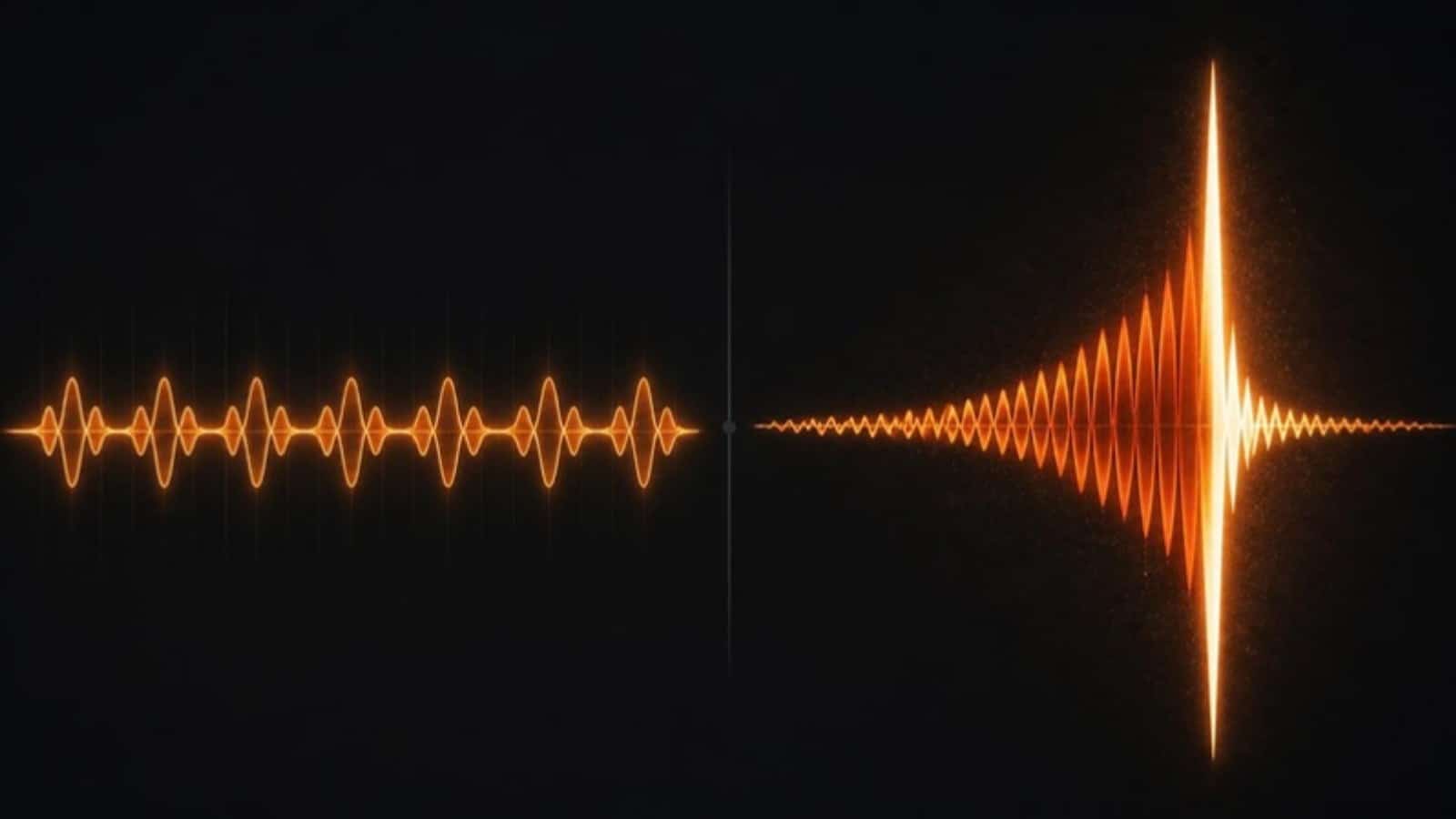
Mainstage EDM is built to be experienced as a single moment. The typical structure is a build-up (rising tension: filtered risers, snare rolls, climbing pitch), a break (often near-silence), and then the drop — the loudest, most produced section of the track, arriving on cue. It’s a song form borrowed more from pop arrangement than from DJ culture, and it’s why a big room track can work as a standalone radio moment in a way a deep house loop usually can’t.
Where You Actually Hear Each One
House lives in clubs, on Boiler Room streams, in DJ sets built around continuous flow. Mainstage EDM lives at festivals like Ultra and EDC, built for tens of thousands of people watching a stage rather than dancing shoulder-to-shoulder in a dark room. Neither space is “better” — they’re built for different physical experiences.
Production Toolkit
House production still carries disco’s DNA: filtered sample loops, warm analog-style basslines, swung hi-hats, live-sounding percussion. Mainstage EDM production leans on supersaw leads, layered white-noise risers, heavily sidechained synths and large-hall reverb, engineered to translate on an outdoor festival PA system pushing sound to the back of a field.
Subgenre Cheat Sheet
If a track doesn’t fit cleanly into “house” or “mainstage EDM,” it’s probably one of these.
The House Family
- Deep house — warmer, slower, jazz and soul-influenced (~118–124 BPM)
- Tech house — house’s groove with techno’s stripped-back percussion (~122–130 BPM)
- Progressive house — longer builds, melodic, still loop-based for mixing (~120–128 BPM)
- Afro house — polyrhythmic percussion, currently one of the fastest-growing styles on Beatport (~118–125 BPM)
- Minimal / deep tech — sparse, groove-forward, built for late-night sets (~120–132 BPM)
The Mainstage / “EDM” Family
- Big room house — the classic festival mainstage sound, build-drop structure, supersaws (~126–132 BPM)
- Electro house — punchier, more aggressive bass than big room (~125–135 BPM)
- Future bass — pitched vocal chops, softer drops, pop-adjacent
- Dubstep / trap — half-time, bass-heavy; purists often separate these into “bass music” rather than EDM at all

Whichever sound you’re chasing for your own sets, our guide on how to become a DJ covers picking a genre lane before you buy gear, and you can hear where 989 Records sits on that spectrum through our latest free house music downloads.
Where House Actually Stands Right Now
The confusion between the two terms hasn’t stopped house from being commercially dominant within the wider dance market. According to the IMS Business Report 2026, published in April 2026, the global electronic music industry reached $15.1 billion in 2025, up 7% from $14.2 billion the year before. Inside that figure, tech-house held the number one genre spot on Beatport for the fourth year running, with house and melodic house close behind in second and third place. Whatever “EDM” means to any given listener, house itself isn’t a niche revival act — it’s the genre actually driving Beatport’s charts.
Why This Distinction Actually Matters
This isn’t just a semantic argument for genre nerds. Three groups of people run into it in practice:
- Producers and labels: genre and subgenre tags feed the same platform algorithms and playlist systems that decide who discovers your music. We cover this in more depth in our guide to music distribution for labels — mistagging a deep house track as “EDM” can generally put it in front of the wrong listeners, and getting it back out of the wrong bucket usually takes time you don’t get back.
- DJs booking gigs: a promoter advertising a “house night” and a promoter advertising an “EDM show” are selling two different rooms, two different crowds, and often two different fee structures. Showing up with the wrong set is a fast way to not get rebooked.
- Listeners and fans: if you search “EDM” hoping for build-drop festival anthems and a streaming algorithm hands you deep house instead (or vice versa), the term’s ambiguity is the reason why.
My Take After Two Decades on a House Label
I don’t think the “house vs. EDM” argument is really about gatekeeping, even though it can come across that way online. It’s about precision. When a term can mean either “all electronic dance music ever made” or “one specific festival subgenre from the 2010s,” depending on who’s talking, confusion is the default outcome, not the exception.

My own answer is simple: I call what 989 Records puts out “house,” because that’s the specific, accurate word for it, and because the artists and DJs I work with built their sound inside that tradition, not inside a festival marketing category invented three decades after Frankie Knuckles first played the Warehouse. Use “EDM” as the umbrella when you mean the umbrella. Use the actual genre name when you mean the actual genre. Both uses are legitimate — just not interchangeable.
Funny footnote: years ago I produced and released a 12-inch record called “Disco’s Revenge.” At the time I had no idea that phrase was the exact one Frankie Knuckles used for what he was doing at the Warehouse — I just liked how it sounded. Finding that connection later is one of those reminders of how deep this genre’s roots actually run, even when you’re not consciously digging for them.
Conclusion
House music is a specific sound with a specific birthplace: Chicago, 1977, the Warehouse. EDM is a broader marketing term the US industry built in the 2010s to bundle house together with techno, trance and other dance genres under one banner — and, confusingly, it’s also come to mean one particular subgenre within that umbrella: the build-and-drop festival mainstage sound. Both things are true at once, and knowing which one someone means is the actual skill here, not picking a side.
Get new articles like this one in your inbox
One short email when this gets an update or when something close to it comes out. Nothing else, and you can leave with one click.
Frequently Asked Questions
Is house music a type of EDM?
Under the broad, original definition of EDM as an umbrella for all electronic dance music, yes. Colloquially, when people say “EDM” they usually mean the festival mainstage sound specifically, which is a different, narrower thing from house.
What’s the actual tempo difference between house and EDM?
House typically runs 118–128 BPM depending on the subgenre; mainstage EDM styles like big room house run faster, around 126–132 BPM. The ranges overlap, so tempo alone won’t always tell you which one you’re hearing.
Why do house tracks feel like they never “drop”?
Because they’re built for DJs to mix continuously, not for a single climactic moment. House keeps a steady groove with long intros and outros so a DJ can blend tracks seamlessly, while mainstage EDM is structured around a build-up and a drop, more like a pop song arrangement.
Did the word “EDM” come from festival culture?
No. The acronym was first used in print in 1980 by the British band Landscape, decades before American festival culture adopted it. The US music industry revived and popularized it in the 2010s as a marketing umbrella for dance music.
Does it matter which genre tag I use when releasing a track?
Yes. Streaming and store algorithms use genre and subgenre tags to decide which listeners and playlists see your release, so an inaccurate tag can send your track to the wrong audience.
How to Be a DJ: A Step-by-Step Beginner's Guide
By Max Porcelli — DJ, producer, and founder of 989 Records. TL;DR — If you only read three things from this guide: Start with free software (Rekordbox or Serato Lite) and an entry-level controller (~$300 / ~€280). You do not need expensive gear to begin. Practice beatmatching manually before relying [...]| Play | Cover | Release Label |
Track Title Track Authors |
|---|