

By Max Porcelli, founder of 989 Records. Published October 14, 2026. Reading time: about 10 minutes.
Short answer: you can learn DJing in three ways: an in-person DJ school, an online course, or teaching yourself with free software and video tutorials. None of them is the “right” one in general. What decides how fast you improve is not where the lessons come from, but how quickly you get honest feedback on your mixes and how regularly you practise. If you are disciplined and can judge your own recordings, teaching yourself costs the least. If you keep stalling on the same problem, paying a teacher who can hear you is usually the fastest fix.
I have been DJing since 1989, I directed a DJ school in Ibiza in 2018, and I still teach DJing and production online. So I have seen all three routes from both sides of the booth. This guide is not a list of schools to buy from. It is how I would choose if I were starting today, with real prices, the free tools that actually work, and the mistakes I see most often. If you are still deciding whether DJing is for you at all, start with my step-by-step guide on how to be a DJ and come back here when you are ready to pick a learning path.
The Three Ways to Learn DJing at a Glance
Here is the comparison in one table. Prices change often and vary a lot by city, so treat the cost column as an order of magnitude, with the sources linked further down.
| In-person DJ school | Online DJ course | Teaching yourself | |
|---|---|---|---|
| Typical cost | Hundreds to thousands (one-week intensives to year-long programmes) | Free to a few hundred | Free, apart from your gear |
| Feedback on your mixing | Immediate, from a teacher in the room | Limited, unless the course reviews your recordings | Only what you can hear in your own recordings |
| Structure | Fixed syllabus and schedule | Fixed syllabus, your own schedule | None unless you build it |
| Club equipment | Usually yes (CDJs, mixers, sometimes a real sound system) | No, you use your own | No, you use your own |
| Flexibility | Low | High | Total |
| Main risk | Paying for things you could have learned free | Watching instead of practising | Repeating the same mistakes for months without noticing |
| Best for | People who need a schedule and club gear | Self-starters who want an ordered path | Disciplined learners on a tight budget |
Option 1: In-Person DJ School
The real value of a DJ school is not the information. Almost everything taught in a beginner class, from beatmatching to EQ to phrasing, is available somewhere for free. What you pay for is a person standing next to you who hears the moment your kicks start to drift and tells you why, and access to club equipment you probably do not own yet.
What It Costs
Prices depend heavily on the city and the length of the programme. To give you real numbers rather than guesses: Point Blank Music School’s 2025 short-course listing for Ibiza priced a one-week “DJ Skills” Level 1 course at £795, with combined DJ/producer intensives from £1,195 to £1,695. A 2023 round-up of Los Angeles DJ courses by Pirate listed private lessons at Scratch DJ Academy starting at $125 per hour, and a year-long DJ programme at 1500 Sound Academy at $12,500. Check current prices with each school before you budget, because these are snapshots, not quotes.
When It Is Worth Paying For
- You have tried teaching yourself and keep getting stuck on the same thing
- You need a fixed schedule to show up and practise at all
- You want hours on CDJs and a club mixer before your first gig, and you have no other way to get them
- The school puts you in front of other DJs and promoters in your local scene
When I directed the school in Ibiza, the part of the job that mattered most was not explaining techniques. It was listening to students mix and stopping them at the exact second something went wrong, before the habit settled in. That is the one thing a video cannot do for you, and it is the thing you should check before paying any school: how many hours will a teacher actually spend listening to you mix, rather than talking at a group?
Option 2: Online DJ Courses
An online course gives you what YouTube does not: an order. Lessons follow each other in a sequence that someone has already tested, so you do not spend your first month jumping between random tutorials on effects before you can hold two tracks in time. The trade-off is that most online courses cannot hear you, so the feedback problem is still yours to solve.
What Is Out There
The range is wide, from free manufacturer material to paid programmes. A few examples with verifiable details:
- In August 2026, AlphaTheta and the non-profit FEMME HOUSE launched a four-session online “Intro to DJing” course on a pay-what-you-can basis, built around the DDJ-FLX4 controller and covering rekordbox preparation, phrasing, beatmatching, transitions and energy control
- The same 2023 Pirate round-up listed the self-paced Pete Tong DJ Academy at $379 to $447, and a celebrity DJ class on MasterClass included in its subscription
- Course marketplaces such as Udemy and Skillshare host many DJ courses, including mine
I teach a Traktor DJ course through 989 Academy, so take this with that in mind: a course is only worth it if it makes you practise between lessons. If you finish a module and do not immediately put it on the decks for half an hour, you have bought entertainment, not training.
How to Choose an Online Course
- Check that it is built on the software and hardware you actually own, or plan to buy
- Look for exercises with a clear goal (“mix these two tracks with no audible drift for one minute”), not just demonstrations
- Prefer courses where the teacher, or a community, will listen to a recording of your mix
- Read the reviews for complaints about outdated software versions, which age fast in DJing
Option 3: Teaching Yourself
This is how most DJs of my generation learned, mostly because there was no alternative: two turntables, a mixer, and a lot of wasted vinyl. You learned by ear, by watching other DJs, and by getting it wrong in front of people.
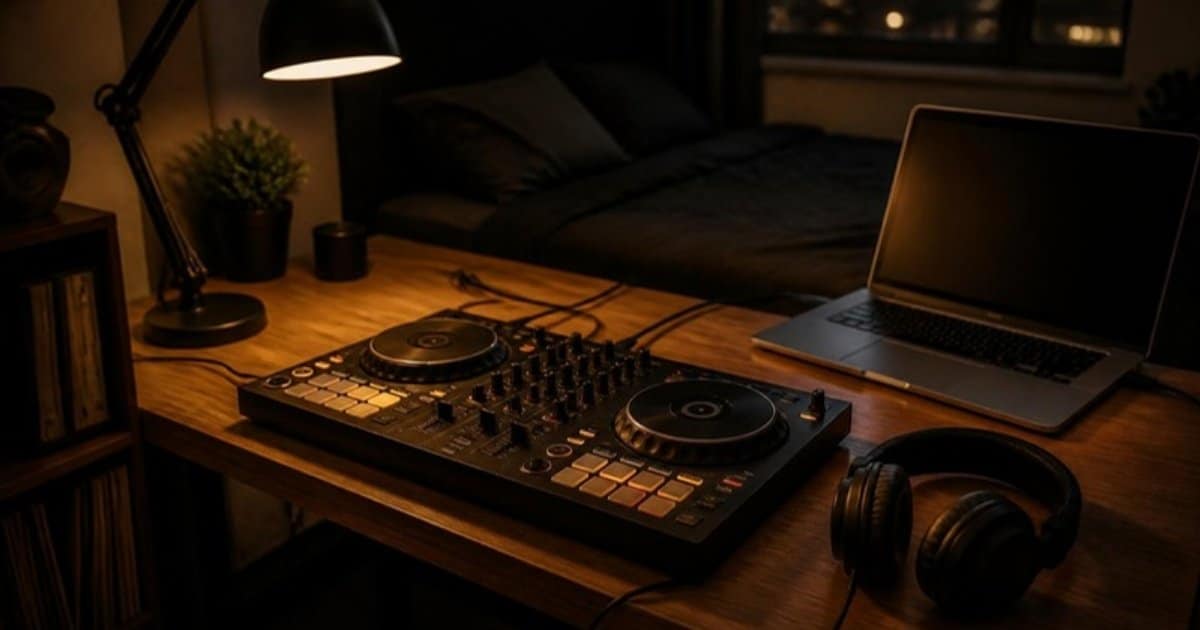
Today it is easier than ever, because the software gives you visual feedback that we never had, such as beat grids and waveforms you can line up by eye, and the entry cost can be very low if you already own a controller.
The Free Tools That Actually Work
Before you buy anything, read the small print of the software plans, because “free” does not always mean free with hardware:
- rekordbox (Free plan): according to rekordbox’s own plan FAQ, you can prepare and export music and mix on your computer for free, but you cannot control rekordbox with connected DJ equipment on the Free plan unless your controller is a Hardware Unlock device. Some entry-level controllers are, so check the list for yours before paying for a subscription
- Serato DJ Lite: Serato describes it as free software for supported entry-level controllers, with a Practice Mode that anyone can use without hardware
- Video tutorials: manufacturers and experienced DJs publish a huge amount of free material. The problem is never quantity, it is order and quality control
If you want help deciding what music to start with, my piece on the difference between house and EDM explains why the genre you pick changes how you will practise: long, steady house blends train your beatmatching and phrasing very differently from fast EDM drops.
The Real Problem: You Cannot Hear Your Own Mistakes
Self-taught DJs rarely fail because they lack information. In my experience, they fail because they cannot yet hear what is wrong in their own mix, so they practise the same errors for months.
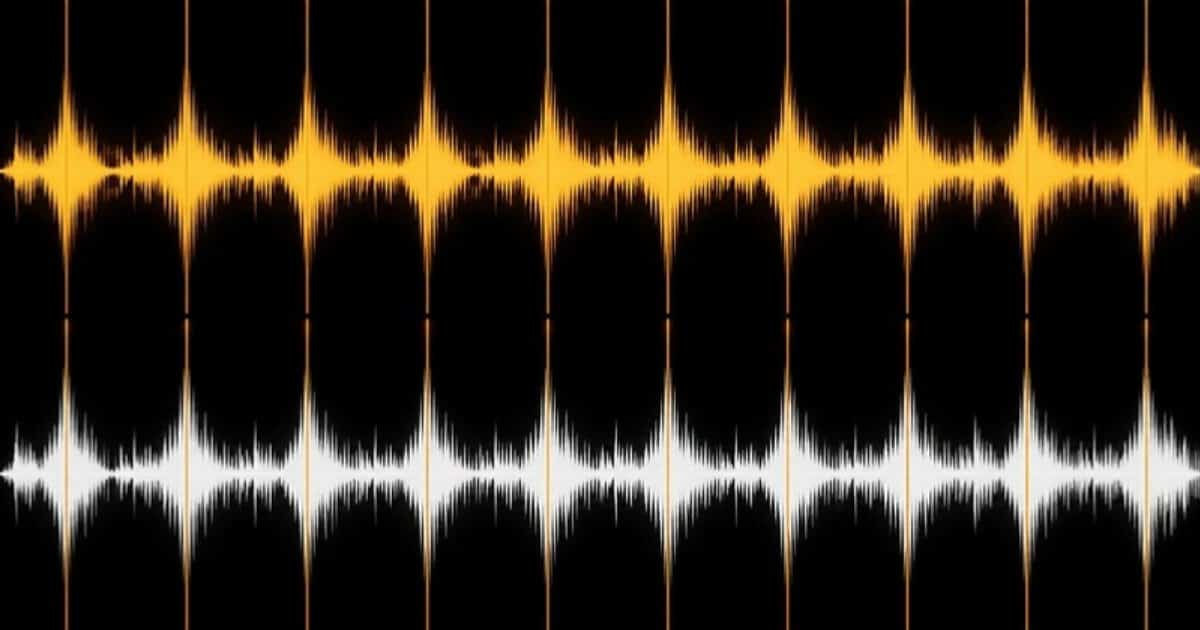
The fix is simple and free: record every practice session and listen back the next day, away from the decks. You will hear drifting beats, clashing basslines and abrupt cuts that you did not notice while you were busy mixing.
What Actually Makes You Improve, Whichever Route You Pick
There is research behind the idea that how you practise matters as much as how much. The concept of “deliberate practice” comes from a 1993 study by Ericsson, Krampe and Tesch-Römer on conservatory violinists: focused practice with clear goals and feedback, rather than just playing. It is worth knowing that the picture is less simple than the popular “10,000 hours” version. A 2019 replication published in Royal Society Open Science (same link above) found that accumulated practice explained about 26% of the differences in performance, and did not separate the best violinists from the merely good ones. Practice matters a lot, but it is not the whole story.
That is not a study of DJs, so I would not stretch it too far. The way I read it for DJing: the hours only count when each session has a specific goal and some form of feedback, whether that is a teacher, a recording, or the beat grid on your screen. Two hours of “just playing tracks I like” teaches far less than thirty minutes spent on one transition until it is clean.
How I Would Decide: Six Practical Questions
This is the checklist I give people who ask me where to start. Answer honestly, and the route usually chooses itself.
- Can you record a mix and hear what is wrong with it? If not yet, you need outside feedback sooner rather than later: a teacher, a course with reviews, or an experienced DJ friend.
- Will you practise without a schedule? If you know you will not, the fixed timetable of a school is worth part of its price.
- Do you already own a controller? If yes, start free with the software it supports and spend money only when you hit a wall.
- Will you play on club gear soon? If your first gigs will be on CDJs and a club mixer, a few hours on that equipment, at a school or a rehearsal studio, will save you a stressful first night.
- What is the specific thing you cannot do? “Learn DJing” is too vague to pay for. “My blends always clash in the bass” is a problem one good lesson can fix.
- How much time per week can you give it? A short session most days usually beats one long session at the weekend. Pick the route that fits the time you really have, not the time you wish you had.
My Take
If I were starting again today, I would teach myself the basics with free software and the controller I could afford, recording every session from the first week. After a month or two, I would pay for a few hours with a good teacher, not to learn new things but to have someone point out the mistakes I could not hear. Then back to practising on my own. A mix of the three routes, in that order, gives you most of the benefit of a school at a fraction of the cost.

What I would avoid is the opposite: paying for an expensive programme before knowing whether you enjoy the daily practice, or spending a year on tutorials without ever letting anyone hear you play.
Takeaway Checklist
- Start with the software your controller supports for free, and check the Hardware Unlock rules first
- Record every practice session and listen back the next day
- Give each session one goal, such as one clean transition
- Get outside feedback at least once a month, from a teacher, a course review or a DJ you trust
- Pay for lessons to fix a specific problem, not to “learn DJing” in general
- Get some hours on club equipment before your first gig
Get new articles like this one in your inbox
One short email when this gets an update or when something close to it comes out. Nothing else, and you can leave with one click.
Frequently Asked Questions
Can you learn DJing on your own?
Yes. Plenty of working DJs, including most of my generation, are self-taught, and today’s software makes it easier than it has ever been. The main limit is feedback: record your practice sessions and, from time to time, let a more experienced DJ listen to them, so you do not repeat the same mistakes for months.
How much does it cost to learn DJing?
It can be almost free if you already own a controller that unlocks free software. Online courses range from free or pay-what-you-can to a few hundred dollars. In-person schools range from hourly private lessons to multi-week or year-long programmes costing thousands. The sources linked in this article show real price examples.
Is a DJ school worth it?
It is worth it when you need what only a school gives you: a teacher listening to you mix in real time, a fixed schedule, and time on club equipment. If you mainly want information, most of it is available for free.
Do I need to learn on CDJs or turntables?
No. You can learn the core skills, beatmatching, phrasing, EQ and gain control, on an entry-level controller. Before your first club gig, though, try to get some practice on the equipment the venue uses, because the layout and feel are different.
About the Author: Max Porcelli is a DJ, producer, remixer, and the founder of 989 Records, as well as a Steinberg Certified Trainer. He has been active in the industry since 1989, with more than 150 releases across originals, EPs, albums, and remixes, including remix work for Jocelyn Brown and Inaya Day. In 2018, he directed a DJ school in Ibiza and hosted a show on Mambo Radio. He teaches production and DJing through 989 Academy, Udemy, and Skillshare. Read more about Max →
What Is a DSP in Music? Digital Service Providers Explained
By Max Porcelli, founder of 989 Records. Published October 7, 2026. Reading time: about 9 minutes. Short answer: a DSP (digital service provider) is any platform that delivers your music to listeners as a stream or a download and pays royalties back for it: Spotify, Apple Music, Beatport, YouTube Music, [...]| Play | Cover | Release Label |
Track Title Track Authors |
|---|